GNCHR at the First Session of the UN Intergovernmental Working Group on Treaty on the Human Rights of Older Persons

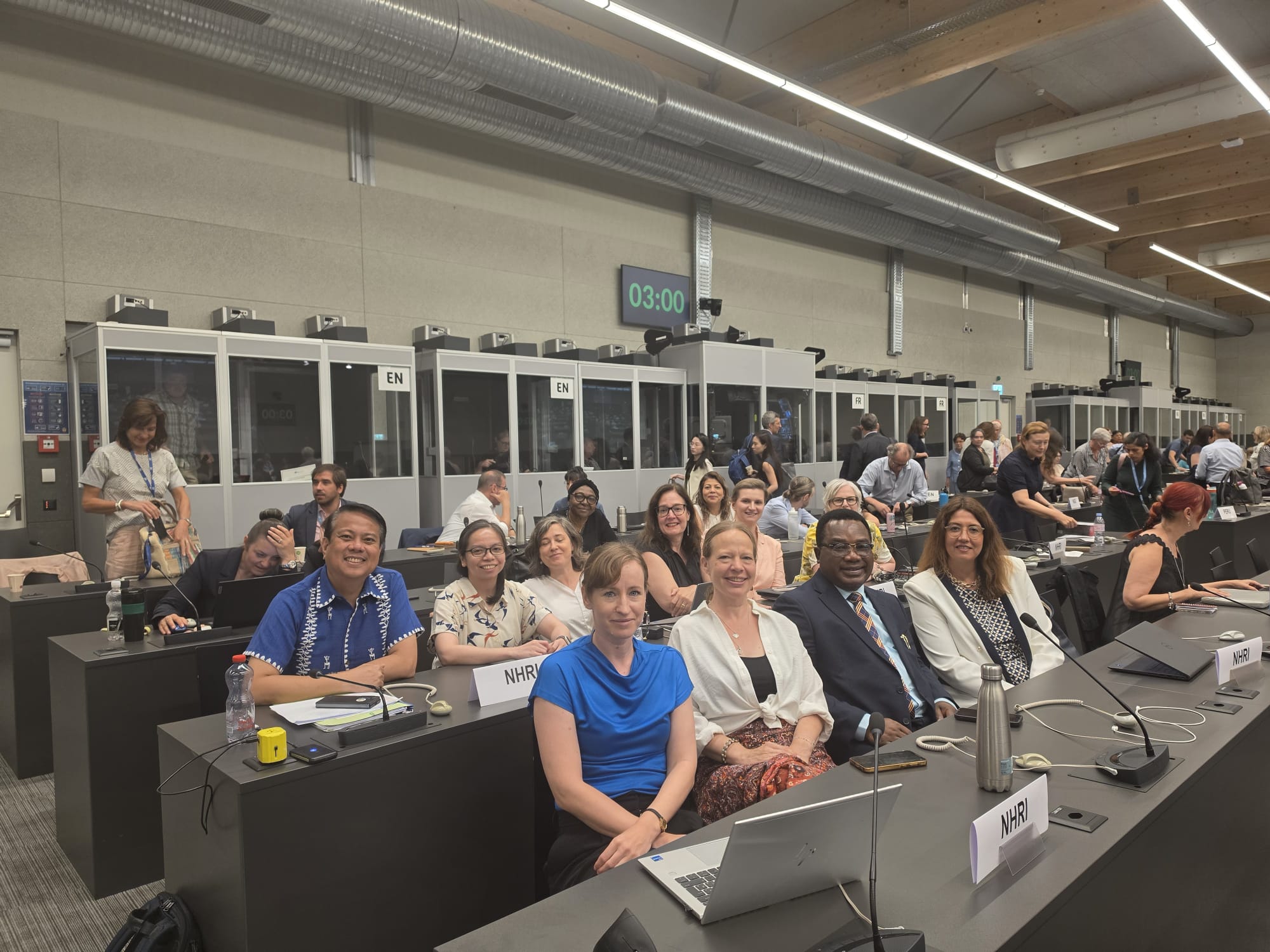
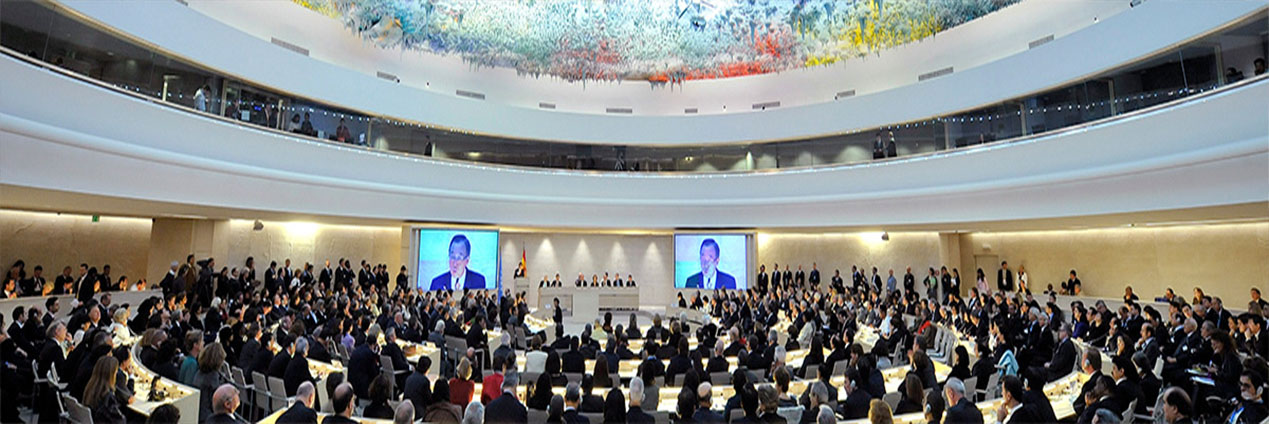
The Greek National Commission for Human Rights (GNCHR) actively participated in the First Session of the Intergovernmental Working Group on the Human Rights of Older Persons, held from 13 to 17 July 2026 at the Palais des Nations in Geneva.
The Intergovernmental Working Group was established pursuant to Human Rights Council Resolution 58/13 (2025) with the mandate to draft a comprehensive and legally binding international instrument aimed at promoting, protecting and ensuring the full enjoyment of the human rights of older persons. Its sessions bring together representatives of National Human Rights Institutions (NHRIs), civil society organisations, organisations of older persons, and independent experts.
The GNCHR had also participated in the preparatory meeting held in February 2026. At the July session, the Commission was represented by its Director, Ms Eva Tzavala, who delivered a statement during the preliminary discussions on the establishment of a monitoring mechanism for the implementation of the future international treaty. In her statement, she stressed that the GNCHR supports the adoption of a legally binding instrument on the rights of older persons. In the GNCHR's view, the Convention should recognise older persons as active rights holders, address ageism and discrimination, and ensure, inter alia, access to quality healthcare and long-term care, independent living, and digital inclusion. The GNCHR also advocated for the establishment of an independent international monitoring mechanism, with the meaningful participation of older persons and their representative organisations. It further emphasized that National Human Rights Institutions can play a pivotal role in the implementation and monitoring of the Convention at the national level, as well as in identifying systemic human rights violations, provided that they are equipped with adequate mandates and sufficient resources.
The full text of the GNCHR statement is available here
Watch the video of the GNCHR representative's official statement:
The full video of the Session is available here
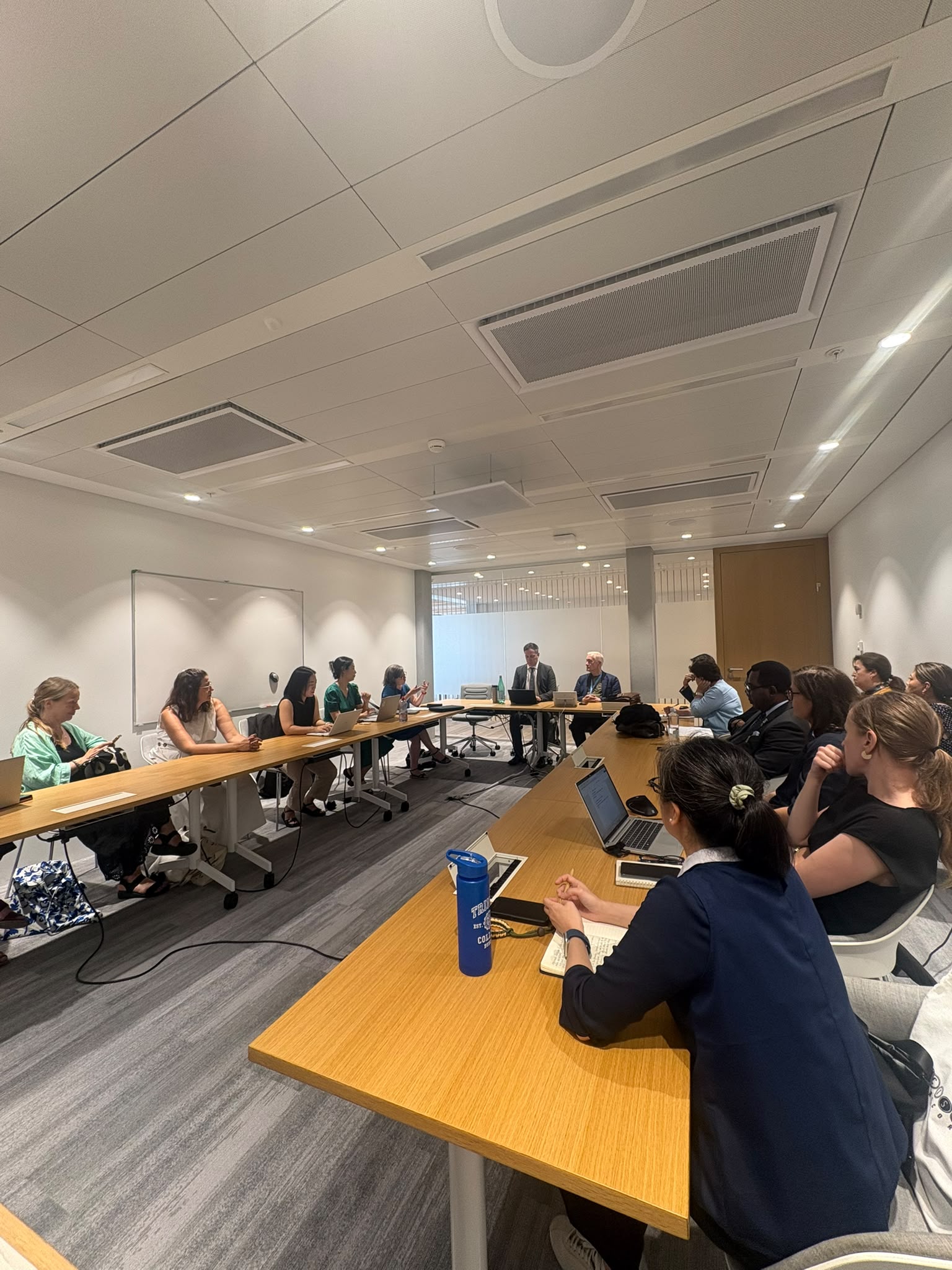
On the margins of the session, the GNCHR representative also participated in a closed introductory meeting between National Human Rights Institutions and the newly appointed UN Independent Expert on the enjoyment of all human rights by older persons, Mr. Zvezdan Pirtošek.
As a member of the European and global networks of National Human Rights Institutions (ENNHRI and GANHRI), the GNCHR endorsed the statements delivered by the European Network of National Human Rights Institutions (ENNHRI) and the Global Alliance of National Human Rights Institutions (GANHRI).
In addition, the GNCHR joined 16 National Human Rights Institutions from all regions of the world in a joint statement advocating for a human rights-based approach to the proposed legally binding instrument and calling for the Convention to address the existing protection gaps. The joint statement underlined that the primary responsibility for protecting and promoting the rights of older persons rests with States and should not be shifted exclusively onto families, given that caregiving responsibilities disproportionately fall on women. It called for clear State obligations, effective monitoring and accountability mechanisms, and meaningful avenues for redress in cases of human rights violations. Furthermore, the statement emphasized that a future Convention should encompass the full spectrum of human rights while reflecting the lived experiences and needs of older persons through national consultations. It also highlighted the importance of addressing ageism and the multiple and intersecting forms of discrimination experienced by older persons, reaffirming that everyone is entitled to the full enjoyment of human rights throughout the course of their lives.
Read here the joint statement by the National Human Rights Institutions of Cameroon, Colombia, Finland, Georgia, Germany, Greece, Guatemala, Nigeria, the Philippines, Poland, the Republic of Korea, Slovenia, South Africa, Sweden, Thailand and Ukraine.